The Best Oral Health Routine: What Dentists in Muskegon Recommend

Oral Health Routine
Bruce Jones Dental Mascot
Insights:
Good dental care starts with a strong foundation. At Bruce G. Jones DDS, we believe the best oral health routine begins with a commitment to consistency, technique, and informed product choices. Your mouth is a gateway to your entire body, and daily habits can make all the difference in preventing tooth decay, gingivitis, and even more serious health conditions.
Read Time:
Overview:

The Best Oral Health Routine: What Dentists in Muskegon Recommend

July 11, 2025

What You Will Learn:

A complete brushing and flossing routine

Oral care products that strengthen teeth and gums

Lifestyle, diet, and hydration habits for full-mouth wellness

💡 3 Key Takeaways

  1. The best oral health routine includes brushing, flossing, diet, hydration, and regular visits to your dental hygienist.
  2. Avoid sugar, acid, and smoking to lower your risk of tooth decay, gingivitis, and tooth loss.
  3. Strong oral hygiene supports total-body health care, including the immune system, bone structure, and more.

Introduction

Good dental care starts with a strong foundation. At Bruce G. Jones DDS, we believe the best oral health routine begins with a commitment to consistency, technique, and informed product choices. Your mouth is a gateway to your entire body, and daily habits can make all the difference in preventing tooth decay, gingivitis, and even more serious health conditions.

🪥 Step 1: Brushing Properly

Use the Right Toothbrush

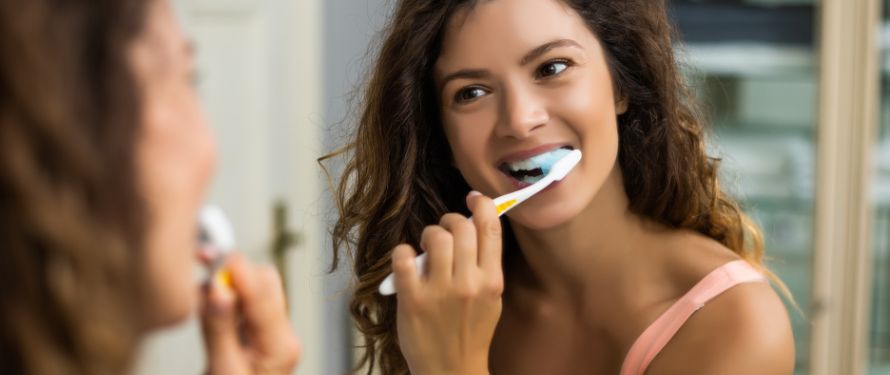
Choose a soft-bristled or electric toothbrush with an angled bristle head that allows access to hard-to-reach areas. The American Dental Association recommends replacing your brush every 3–4 months.
oral health routine

Brushing Technique

Hold your brush at a 45-degree angle to the gums, gently brushing in circular motions. Be sure to clean all surfaces of the teeth, including the root and back molars.

Recommended Routine

Brush twice daily for 2 minutes using fluoride toothpaste to help strengthen tooth enamel and protect against bacteria, plaque, and acid. This is the cornerstone of good oral hygiene.

📆 Step 2: Floss Daily

Use dental floss or a water flosser to clean between teeth and along the gum line. This removes food debris, bacteria, and dental plaque that brushing alone can’t reach.
 

Flossing Prevents:

  • Gingival recession
  • Inflammation
  • Bleeding
  • Calculus buildup
  • Tooth loss due to gum disease

👅 Step 3: Clean Your Tongue

Your tongue harbors millions of bacteria. Use a tongue scraper, toothbrush, or tongue cleaner daily to reduce bad breath, improve taste, and support your oral microbiome.
 

🧼 Step 4: Use Mouthwash and Antimicrobial Rinses

oral health routine
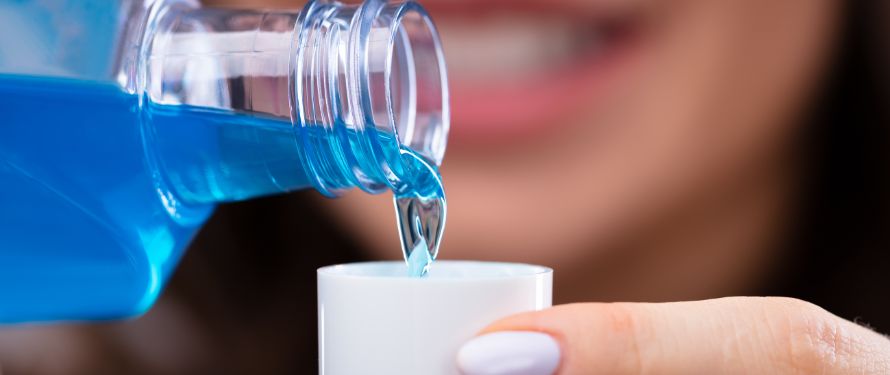
Swish with mouthwash or antimicrobial rinses like Listerine to kill germs and freshen breath. Fluoride rinses can strengthen enamel and reduce the risk of xerostomia (dry mouth), especially in patients on medication.

🩺 Step 6: See Your Dental Hygienist Regularly

Visit your dental hygienist every six months for dental cleanings and teeth cleaning to prevent calculus buildup and detect issues early. These routine dental care visits are essential to maintaining long-term dental health.
 

Services We Offer:

  • Cleanings
  • Preventive treatments like sealants and fluoride
  • Monitoring for gingivitis, tooth loss, and periodontology conditions

🧠 Step 7: Support Your Whole-Body Health

Conditions like rheumatoid arthritis, dementia, and low birth weight in infants are linked to poor oral hygiene. Maintaining your oral care also supports:

  • Immune system function
  • Bone and tissue health
  • Weight loss and metabolic balance through better nutrition and exercise

🕒 Bonus: Daily Routine Timeline Example

oral health routine
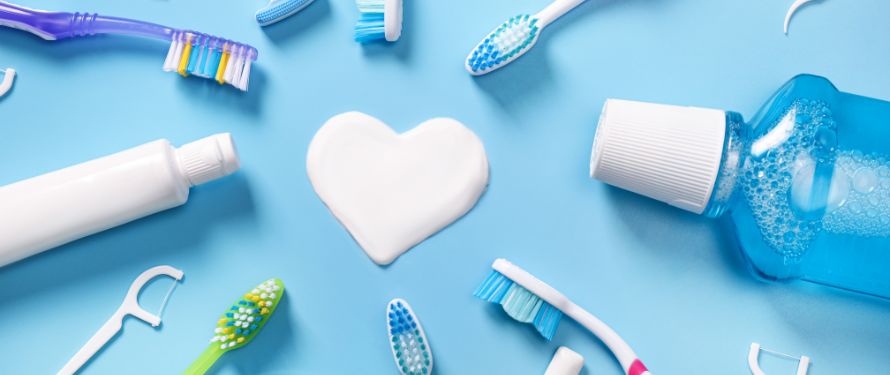
  • Morning: Brush, scrape tongue, floss, rinse with mouthwash, eat healthy meal
  • Midday: Rinse with water after snack, avoid sugar and juice
  • Evening: Brush with fluoride toothpaste, floss, rinse, and hydrate

Need Help Creating Your Routine?

Every patient is unique. If you have medications, dental crowns, or orthodontics, your oral hygiene routine may require adjustments. Email us your email address to schedule a consultation or ask questions. We’ll help personalize your oral care plan.
 

Table of Contents

Additional Resources

Emergency dentist near me patient holding jaw in pain first 24 hours
Dental Health

Emergency Dentist Near Me: What to Do in the First 24 Hours

If you’re searching for an emergency dentist near me, timing matters more than you think. The first 24 hours after a dental issue can determine the outcome. Knowing what to do immediately can reduce pain and prevent long-term damage. This guide walks you through each step.

Braces vs Invisalign in Muskegon MI – orthodontic treatment comparison at Bruce Jones Dental
Teen Braces

Teen Braces in Muskegon: Braces vs Invisalign for Families

Discover whether braces or Invisalign is the right choice for your Muskegon teen with this comprehensive, family-focused orthodontic guide. Learn the key differences in comfort, appearance, maintenance, treatment time, and cost so you can confidently choose the best option for your child’s smile, health, and long-term confidence.

FAQ's About Oral Health Routine

An electric toothbrush with soft bristles is highly effective. Choose one approved by the American Dental Association.
Once or twice a day with a tongue cleaner, scraper, or brush to reduce bacteria and bad breath.
A healthy diet includes dairy, fruit, vegetables, lean proteins, and plenty of drinking water. Limit sugar, juice, and acidic beverages.
Even with proper brushing, plaque, calculus, and bacteria can build up. Regular cleanings prevent disease and monitor dental health.
Start with small steps. Build consistent habits, track your brushing teeth routine, and make it part of your daily lifestyle.